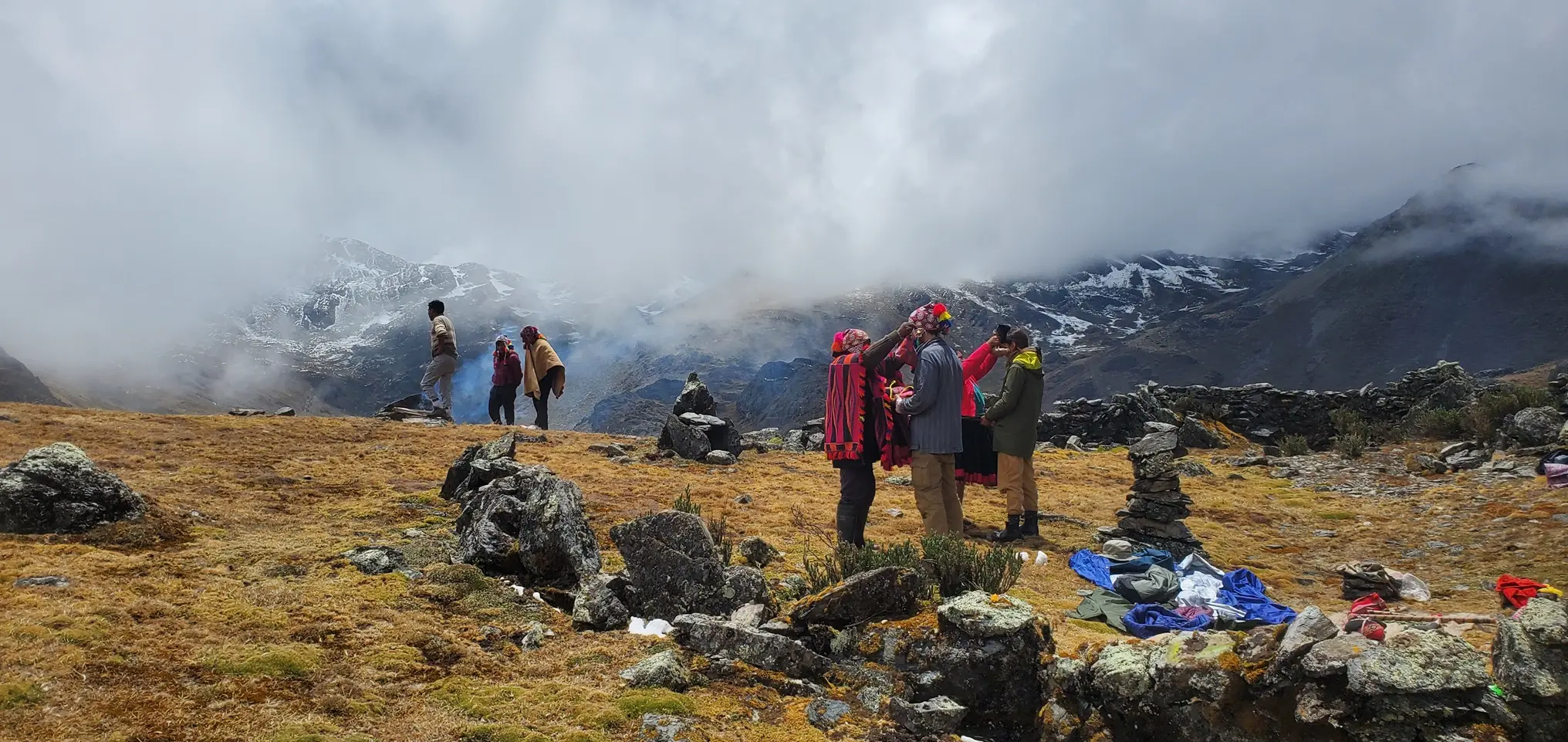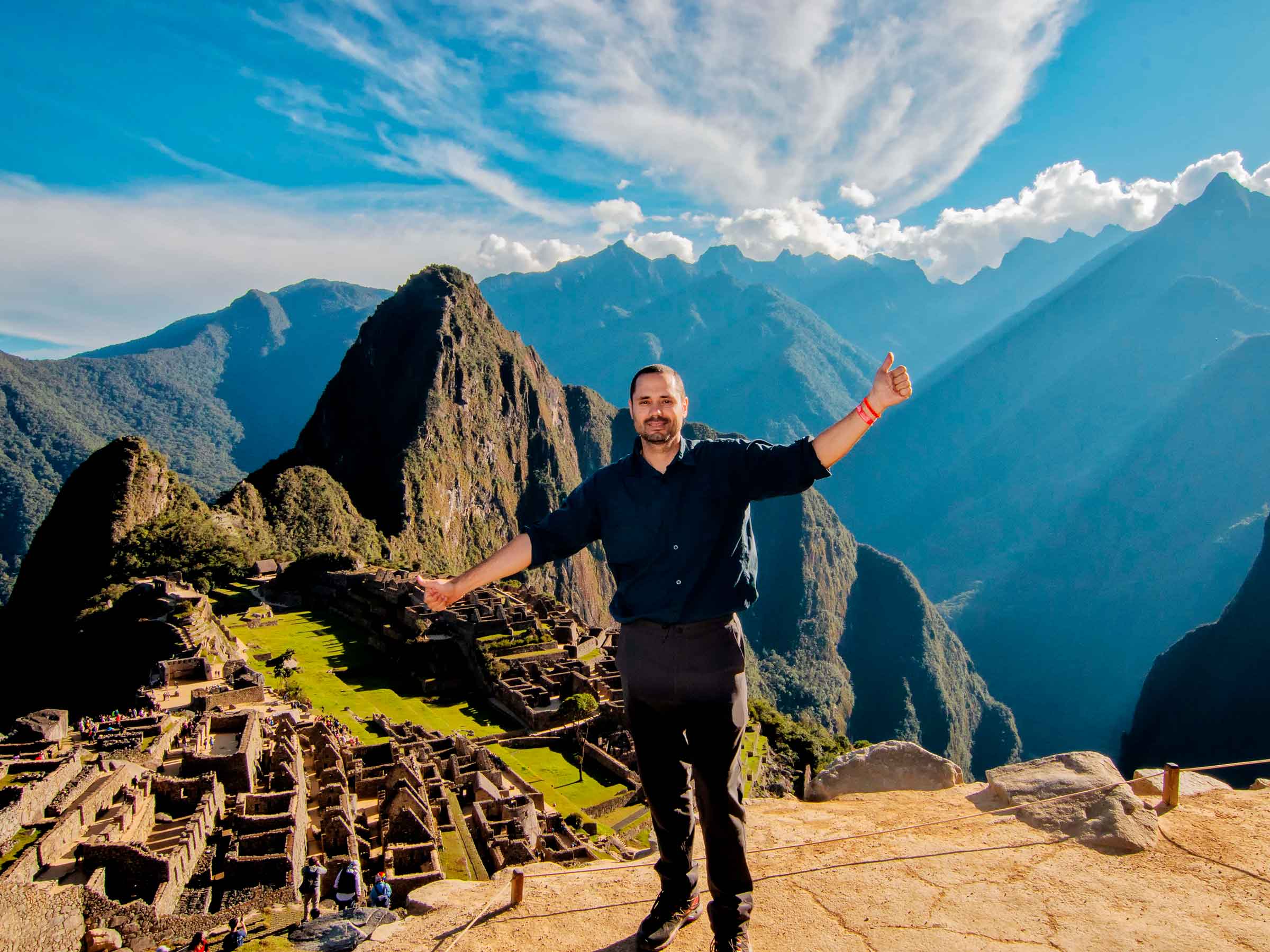

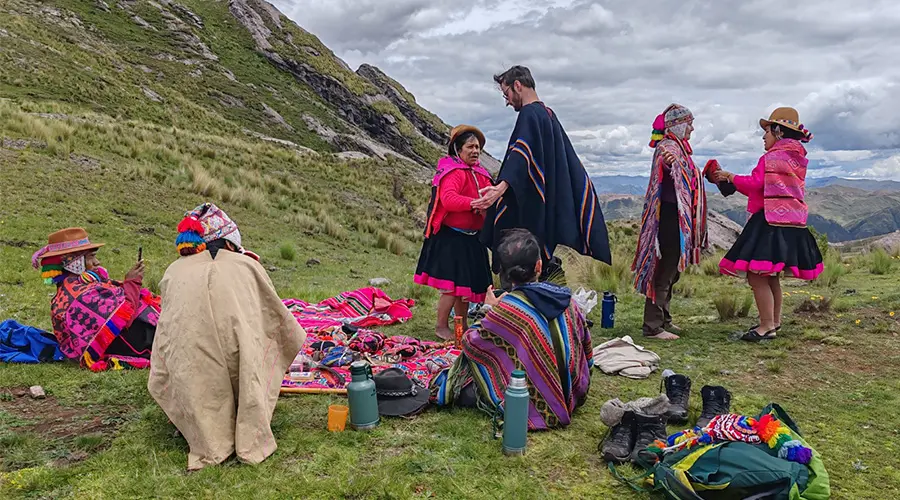
The Andes of Peru are far more than a mountain range—they are a sacred realm where history, nature, and spirituality intertwine in every stone, river, and summit. Travelers who arrive here are not simply hiking; they are entering a living sanctuary shaped by ancestral wisdom and untouched landscapes that continue to pulse with the energy of ancient civilizations.
Preparing for a spiritual trek in the Andes means preparing both body and spirit to receive teachings safeguarded for centuries by the Q’ero nation, widely known as the last Inca descendants.
In this guide, you’ll discover how to prepare fully—physically, mentally, and spiritually—and learn what to pack, how altitude impacts your body, and how to cultivate the right mindset for a truly transformative experience in one of the world’s most powerful and sacred spiritual destinations.
What to Pack for a Spiritual Trek in Peru’s Andes
Packing for a spiritual trek goes far beyond the usual checklist of hiking boots and warm layers. While practical trekking gear is important, spiritual preparation plays an equally meaningful role. The Q’ero territories are remote, pristine, and deeply symbolic, so every item you bring should support comfort, safety, and presence—rather than add unnecessary weight or distraction.
Many travelers underestimate how quickly the weather changes at high elevation. One moment, sunlight warms the trail; the next, clouds descend with cold winds, rain, or even snow. Packing layers and the right equipment is essential—not only to stay comfortable, but to remain fully connected to your journey without worrying about physical discomfort.
Clothing Layers for High Elevation Weather
Weather in the Andes is a living force—it shifts constantly with the mountains, winds, and high altitude. Temperatures can change dramatically throughout the day, especially above 4,000 meters, where cold air, strong sun, and sudden wind are common.
Recommended clothing includes:
• thermal base layers
• warm mid-layers (fleece or down jacket)
• waterproof or windproof jacket
• hiking pants
• gloves and beanie
• warm socks (wool preferred)
• neck gaiter or buff for wind protection
During the day, sunlight can feel surprisingly intense, while nights can drop well below freezing. Understanding how to layer allows you to regulate temperature effectively and remain grounded during ceremonies or meditative moments outdoors—an essential part of spiritual trekking in Peru.
Footwear and Trekking Comfort
Your feet are your direct connection to the land, and choosing the right footwear is essential for comfort, safety, and presence during your spiritual trekking journey. Quality boots protect your ankles, give stability on uneven trails, and allow you to fully immerse in each step—physically and spiritually.
Ideal footwear:
• waterproof hiking boots with ankle support
• already broken-in boots (never brand-new!)
• trekking poles (highly recommended)
Even on a sacred trail, the Andes demand respect—both physically and spiritually. The better prepared your feet are, the more you can focus on the deeper experience rather than dealing with discomfort.
Personal Gear for Focus and Presence
Beyond clothing, consider bringing items that nurture presence, clarity, and introspection throughout your spiritual trek in Peru. These small but meaningful essentials help you stay centered, reflect on your experience, and create deeper connection during sacred moments in the Andes.
Recommended items:
• journal or notebook (highly recommended)
• reusable water bottle
• sunscreen and sunglasses
• small sacred objects (stones, amulets, meaningful items)
• personal meditation tools (optional)
• a comfortable backpack (30–40 L)
These objects support your inner process and emotional awareness while keeping your load light and intentional—allowing you to stay fully present during your spiritual trekking journey.
Understanding Altitude and Acclimatization in the Andes

Altitude is one of the most common concerns for travelers visiting the Andes, especially when treks reach elevations above 3,800 meters (12,467 ft). Experiencing mild symptoms of altitude sickness is completely normal, and preparing properly will help you enjoy your spiritual trek without unnecessary discomfort.
Beyond biology, altitude in the Andes also holds deep cultural meaning. In the Andean worldview, mountains are conscious spiritual beings—Apus—and higher elevations are considered places of transformation, clarity, and connection. Arriving with respect, patience, and humility is not only practical—it is part of the spiritual preparation itself.
What Happens to Your Body at High Altitude
As elevation increases, oxygen becomes thinner and your body needs time to adjust. Experiencing symptoms of altitude sickness is completely normal, especially above 3,500 meters. Common sensations may include:
• mild headache
• shortness of breath
• fatigue
• light dizziness
• reduced appetite
This adjustment period is temporary and generally fades once your body adapts to the high altitude environment and thinner air.
Best Practices for Acclimatization
A simple and effective acclimatization plan includes:
• spend 2 days in Cusco before trekking
• avoid intense exercise the first 24 hours
• eat light, nourishing meals
• drink plenty of water
• avoid alcohol during initial days
• walk slowly and consciously
Altitude should never be rushed. Allowing your body time to adjust is not just practical—it’s part of the conscious preparation for your spiritual trekking experience.
Breathing, Hydration, and Pace
Breathing deeply, drinking water consistently, and allowing your body to adapt are essential for safe trekking in the Andes. In Q’ero philosophy, walking with consciousness—not speed—is the essence of the journey.
Your breath becomes a meditation, your steps become intention, and your pace becomes a prayer—helping you stay connected to the sacred energy of the mountains throughout your Andes spiritual travel.
Cultivating the Right Mindset for a Sacred Journey
More than any physical preparation, your mindset determines the depth of your spiritual experience. Walking through the Andes is not just about admiring landscapes—it’s about entering a spiritual dialogue with the land, the mountains, and your own inner world.
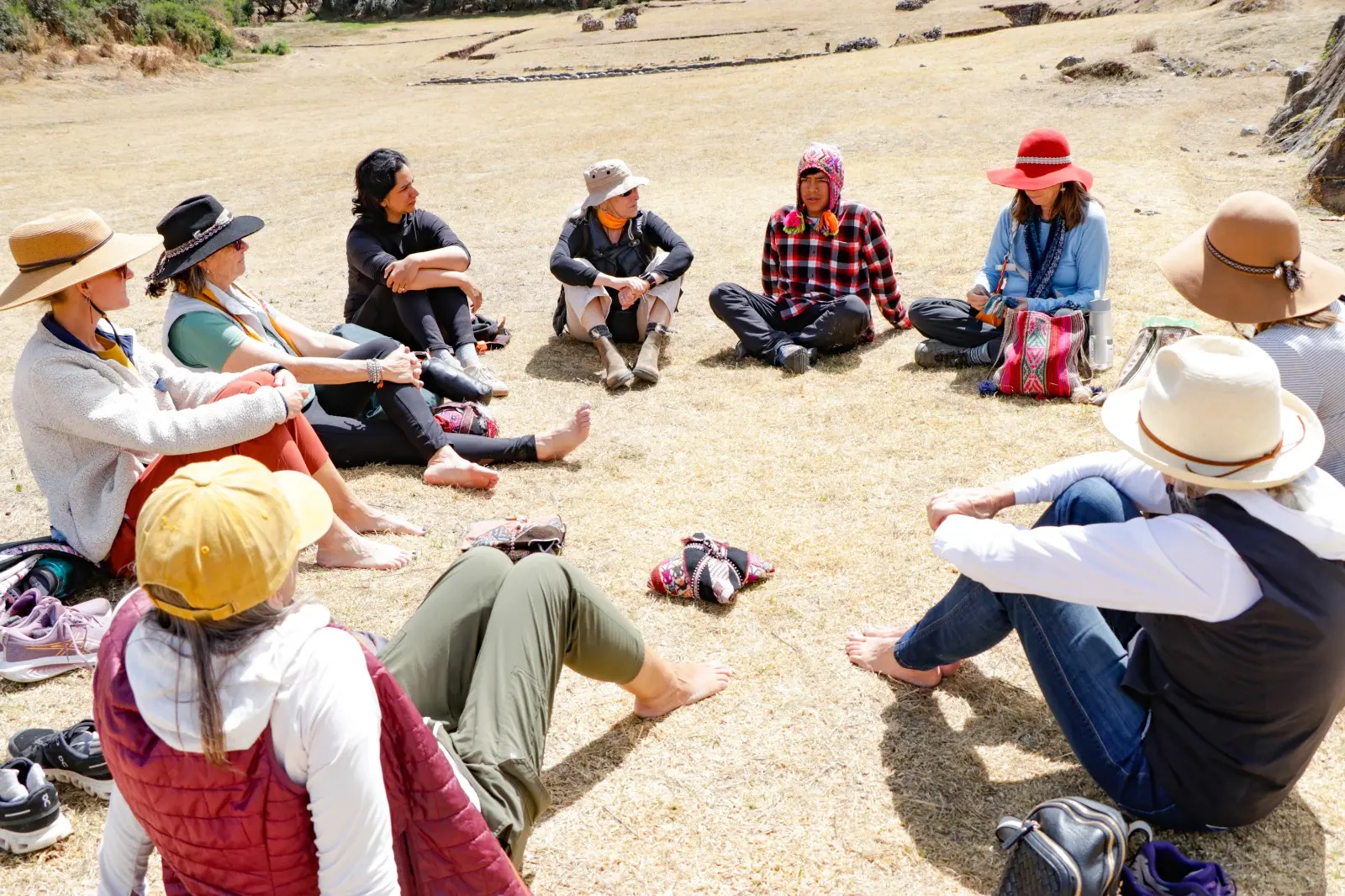
Indigenous wisdom teaches that true transformation begins long before your feet touch the trail. By preparing mentally, emotionally, and spiritually, your trek evolves into a personal ceremony rather than just an outdoor adventure.
A conscious mindset invites you to slow down, listen deeply, and allow the energy of the Andes to guide your spiritual journey step by step.
Setting Your Intention
Before beginning your spiritual journey, take some intentional time to reflect:
• Why am I making this journey?
• What am I seeking?
• What part of myself am I ready to transform?
• What do I want to learn from the Andes?
Write your intention in your journal—this simple practice strengthens your purpose and becomes a guiding thread throughout your trek. Your intention will walk with you, shaping each moment of your Andean sacred trekking experience.
Connecting with Andean Spiritual Concepts
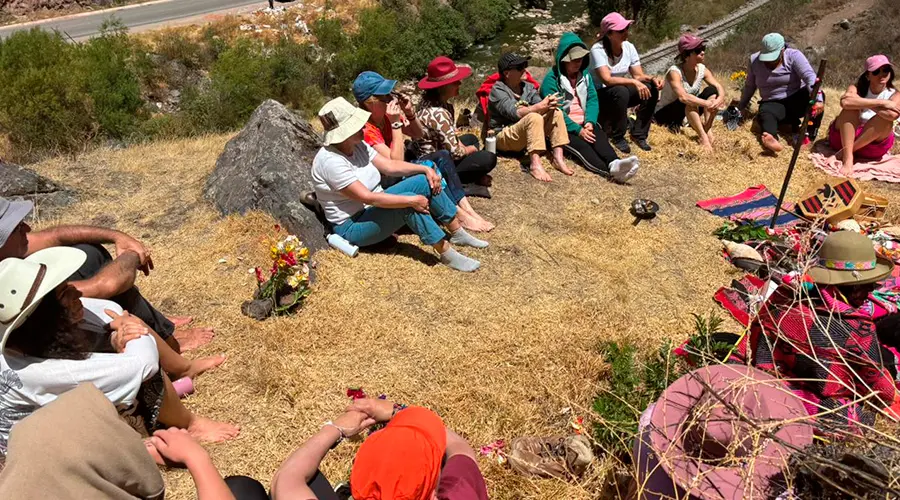
Understanding essential elements of Q’ero spirituality will enrich your experience profoundly and allow you to connect more respectfully with the Andean worldview. Some foundational concepts include:
• Pachamama (Mother Earth)
• Apus (mountain spirits)
• Ayni (sacred reciprocity)
• Munay (unconditional love)
• Kawsay (life force)
Learning these ideas prepares your mind to listen rather than analyze—an essential shift for authentic spiritual travel in the Andes.
Preparing Emotionally and Energetically
To honor the sacred environment, many travelers begin preparing weeks before their spiritual trek. Helpful practices include:
• meditation
• conscious breathing
• walking in nature
• practicing gratitude
• reducing digital distractions
These simple actions help you arrive in a more receptive state—ready to engage fully with ceremony, nature, and the deeper energy of Andean sacred trekking.
Conclusion: A Transformational Path Awaits You
A spiritual trek in the Andes is not a vacation—it’s a calling. Preparing intentionally allows you to walk not only confidently, but consciously, opening yourself to the teachings that nature and the Q’ero elders generously share.
When you hike in the Andes with purpose, every step becomes meditation and every landscape becomes a doorway to ancient wisdom. The mountains don’t just surround you—they guide you, challenge you, and reveal what you’re ready to transform.
If your heart feels this call, Andean Spirit offers guided spiritual trekking experiences led by Q’ero elders, designed to immerse you in authentic ceremony, ancestral knowledge, and sacred Andean landscapes.
Reserve your spiritual trek and begin your transformational journey today—let the Andes awaken something powerful within you.
Frequently Asked Questions
Is a spiritual trek difficult?
Difficulty varies, but most spiritual treks in the Andes involve moderate hiking and high altitude. Proper acclimatization and a conscious pace are essential.
Do I need previous trekking experience?
Not necessarily. Spiritual trekking focuses more on presence and connection than on physical performance or speed.
When is the best time to visit the Andes?
The dry season (May–September) offers the most stable weather, but spiritual trekking in Peru is available year-round.
Can I participate in ceremonies if I’m new to Andean spirituality?
Absolutely. Q’ero elders guide all ceremonies respectfully and gently, adapting to each traveler’s level of understanding.
Is altitude medication necessary?
Some travelers use medication, but it’s best to consult your doctor. Most people adapt naturally with proper preparation and acclimatization in Cusco.
Do I need previous spiritual experience?
No. Your intention, respect, and openness are more important than previous knowledge or practice.
What exactly is a Q’ero spiritual trek?
It is a guided journey that combines hiking with ancestral teachings, healing practices, Andean rituals, and direct spiritual connection with sacred landscapes.
Are Q’ero ceremonies safe?
Yes—ceremonies are led by trained Q’ero healers and paqos who have practiced these traditions for generations.
Is altitude dangerous?
It can be challenging, but with preparation and proper pace, it is manageable. Listening to your body is fundamental in the Andes.
Will I learn about Andean spirituality?
Absolutely. Learning is a core part of Andean sacred trekking—you’ll gain insights into Pachamama, Apus, Ayni, Munay, and ancestral worldviews.
Can this journey help with emotional healing?
Many travelers experience deep emotional release, clarity, and personal transformation through the combination of ceremony, meditation, and connection with nature.